In the world of digital amateur radio, your hotspot is more than just a bridge—it’s the heart of your station. As we navigate the tech landscape of 2026, two names still dominate the conversation. But they couldn’t be more different. One is a sleek, “it just works” masterpiece; the other is the ultimate tinkerer’s toolkit.
If you’re standing at the crossroads of a purchase, it’s time to stop looking at spec sheets and start looking at how you actually want to spend your time in the shack.
The Philosophy of the “Appliance” vs. the “Computer”
The fundamental divide between these two devices isn’t just the price tag—it’s the operating system.
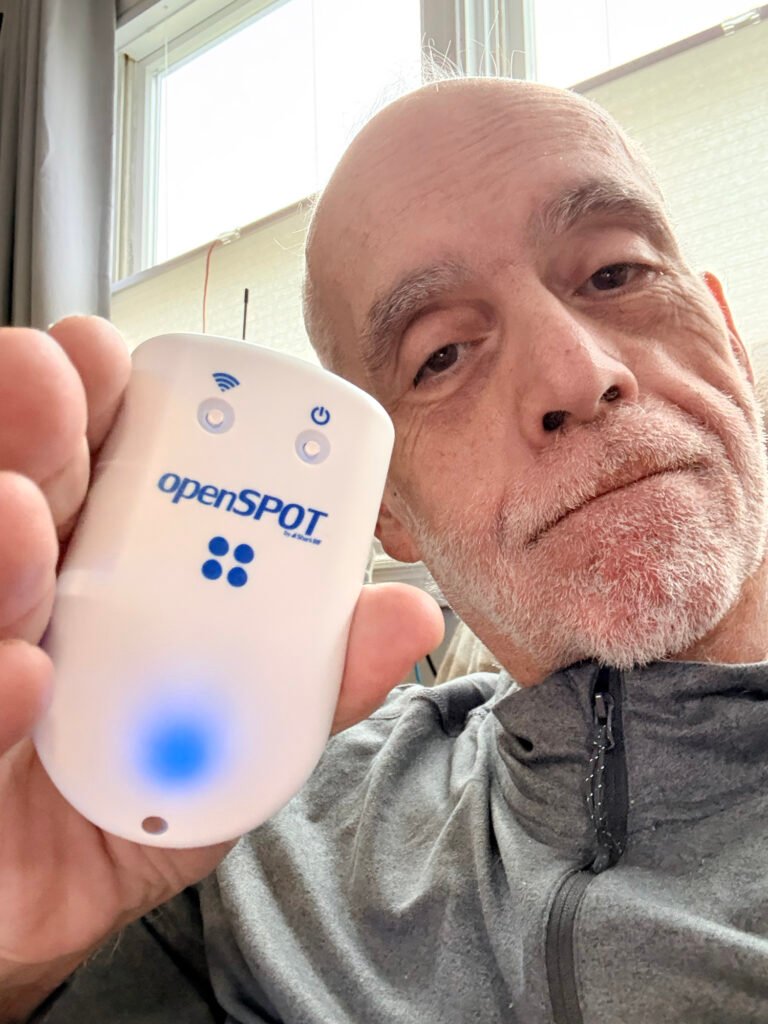
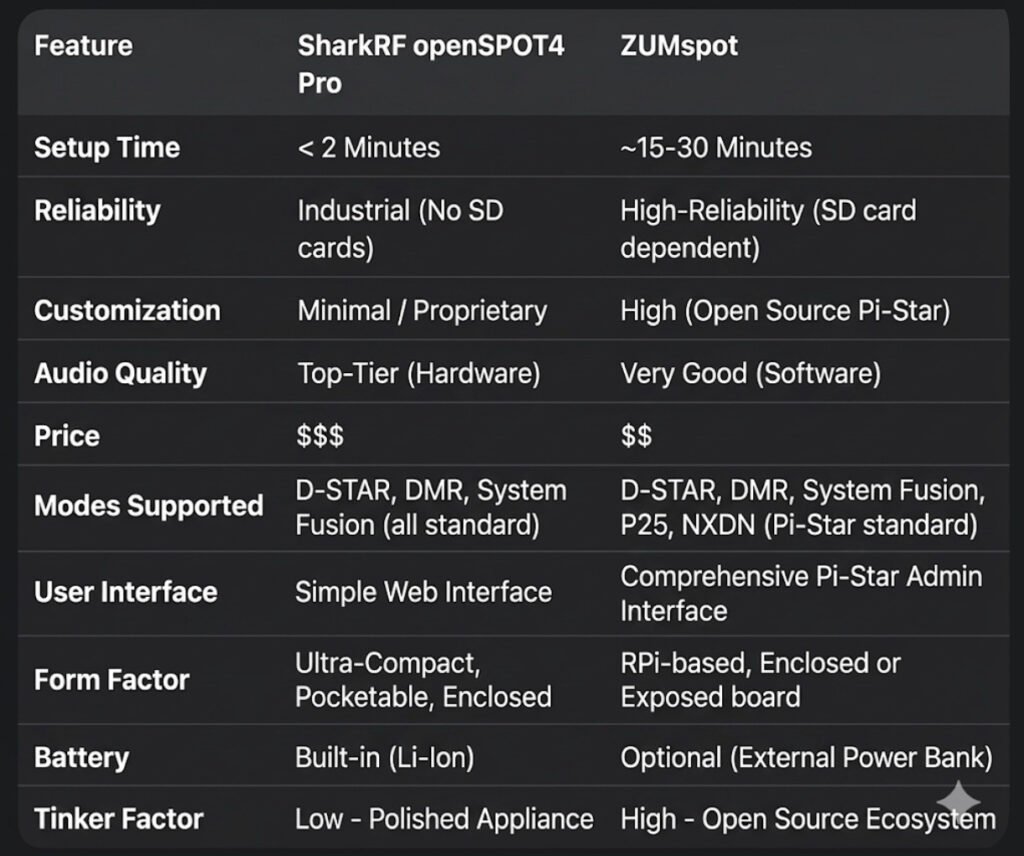
• The SharkRF openSPOT4 Pro runs on a Custom RTOS (Real-Time Operating System). It doesn’t use an SD card. It doesn’t “boot up” like a computer; it wakes up like a toaster. You can yank the power cord mid-transmission, and you will never face a corrupted file. It is built for the operator who wants zero friction.
• The ZUMspot is built on the back of the Raspberry Pi (Linux). It is a full-blown computer in the palm of your hand. While this gives you the power of the Pi-Star or WPSD ecosystems, it comes with the “Linux Tax.” You need a proper shutdown procedure, a high-quality SD card, and the patience to troubleshoot a kernel update every now and then.
Hardware Transcoding: The Pro’s Secret Weapon
This is where the “Pro” in the openSPOT4 Pro earns its keep. It houses a dedicated AMBE+2® hardware chip.
In 2026, cross-moding is the name of the game. If you want to use your favorite DMR handheld to talk on a D-STAR reflector, the SharkRF does the heavy lifting in hardware. The result? Audio that is crisp, clear, and devoid of the “underwater” robotic artifacts often found in software-based transcoding.
The ZUMspot, while incredibly capable, relies on the CPU for these conversions. It’s good—don’t get me wrong—but in a side-by-side “Golden Ear” test, the hardware-baked audio of the SharkRF wins every time.
Portability: The 30-Hour Myth?
SharkRF loves to tout that 30-hour battery life. In the real world, if you’re hitting the PTT frequently and running high RF power, you’re looking at 8 to 12 hours. It’s plenty for a day at the park, but it’s not a week-long expedition.
The ZUMspot has no internal battery, which sounds like a downside—until you realize you can plug it into a standard 20,000mAh USB power bank. That “clunky” setup will keep your ZUMspot humming for 3 to 4 days straight, making it the actual king of long-term emergency portable use.
The “No-Radio” Revolution
One of the most underrated features of the openSPOT4 Pro is SharkRF Link.
“Imagine being at a restaurant or a boring meeting and realizing there’s a massive net happening. You don’t have your radio. No problem.”
With the SharkRF app, your smartphone becomes the radio. It uses your phone’s mic and speaker to bridge directly into the hotspot. The ZUMspot, by design, almost always requires a physical transceiver to get your voice into the digital stream.
The Verdict: Which One Is For You?
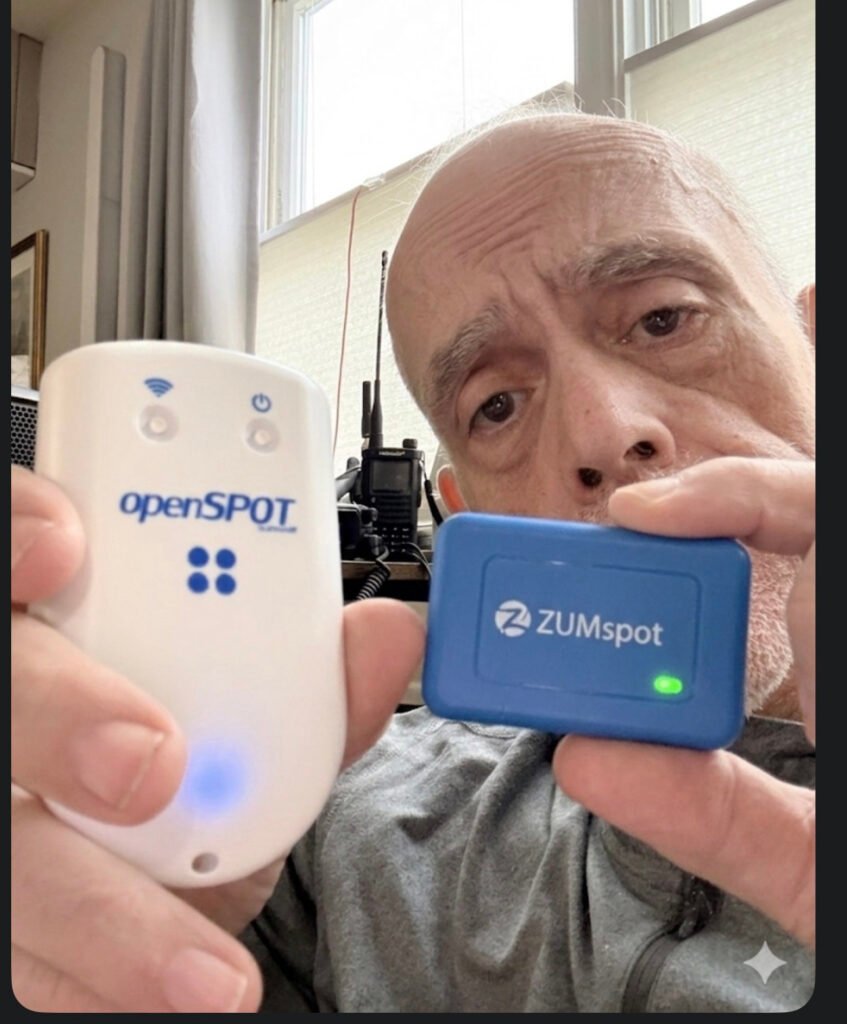
Buy the openSPOT4 Pro if:
You want the “iPhone” experience. You travel, you want high-fidelity audio, and you want a device that is ready to talk before you’ve even finished your coffee.
Buy the ZUMspot if:
You want the “Linux” experience. You love the maker movement, you want a massive 3.5-inch color screen on your desk, and you find joy in the “build” as much as the “talk.”
The digital world is waiting. Which bridge are you crossing?
Find some great buys here