-

From First Question to Renewal: The Complete Guide to W5YI
Read more: From First Question to Renewal: The Complete Guide to W5YINJ2RQ is a W5YI volunteer examiner. Here’s the full W5YI walkthrough: study materials, signing up for an exam in person or online, vanity call signs, license renewal, and how to become a VE yourself.
-
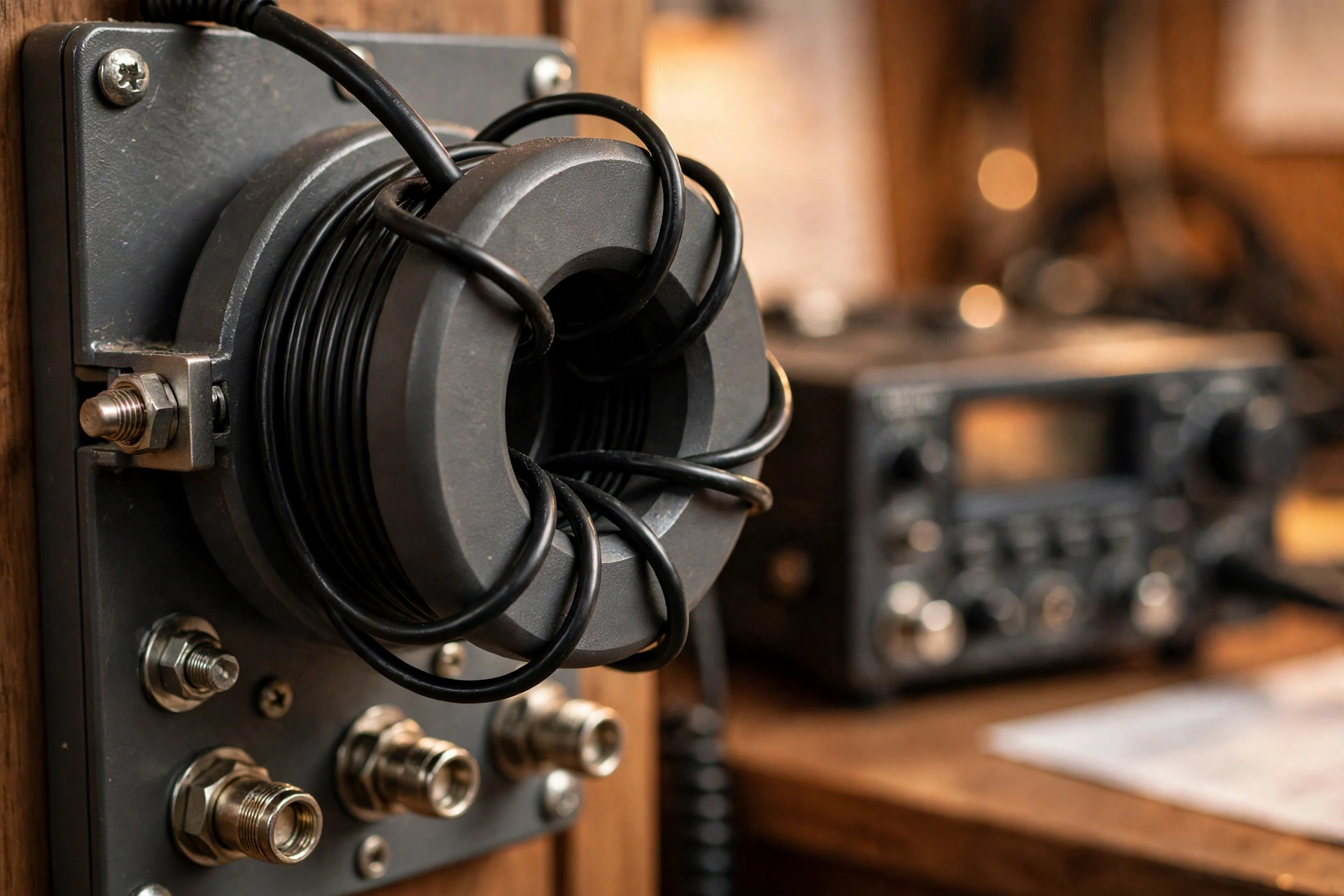
Your Antenna Isn’t Noisy — Your Feedline Is: The 5-Minute Coax Test Every Ham Should Know
Read more: Your Antenna Isn’t Noisy — Your Feedline Is: The 5-Minute Coax Test Every Ham Should KnowNJ2RQ: your high noise floor may not be your antenna’s fault. The 5-minute center-pin coax test that shows whether noise is riding your feedline — and the choke that stops it.
-
The Radio of the Future: AI in the Shack, and How Soon Icom and Yaesu Ship One
Read more: The Radio of the Future: AI in the Shack, and How Soon Icom and Yaesu Ship OneNJ2RQ on the AI radio: what AI integrated really means in a transceiver, which pieces already exist in today’s rigs, and a realistic timeline for an AI-optimized Icom or Yaesu.
-

I Own Ten HF Radios. Here’s What Each One Is Actually For — and the One I’d Keep
Read more: I Own Ten HF Radios. Here’s What Each One Is Actually For — and the One I’d KeepNJ2RQ walks his own shack tower shelf by shelf — ten HF radios, what each class of rig is really for, and how to choose the one radio you actually need.
-
Your First D-STAR Contact with an Icom, Kenwood TH-D74A, or SharkRF M1KE
Read more: Your First D-STAR Contact with an Icom, Kenwood TH-D74A, or SharkRF M1KEMake your first D-STAR call step by step. Follow the path for your Icom D-STAR radio, Kenwood TH-D74A, or SharkRF M1KE, with a real New Jersey repeater and reflector example.
-
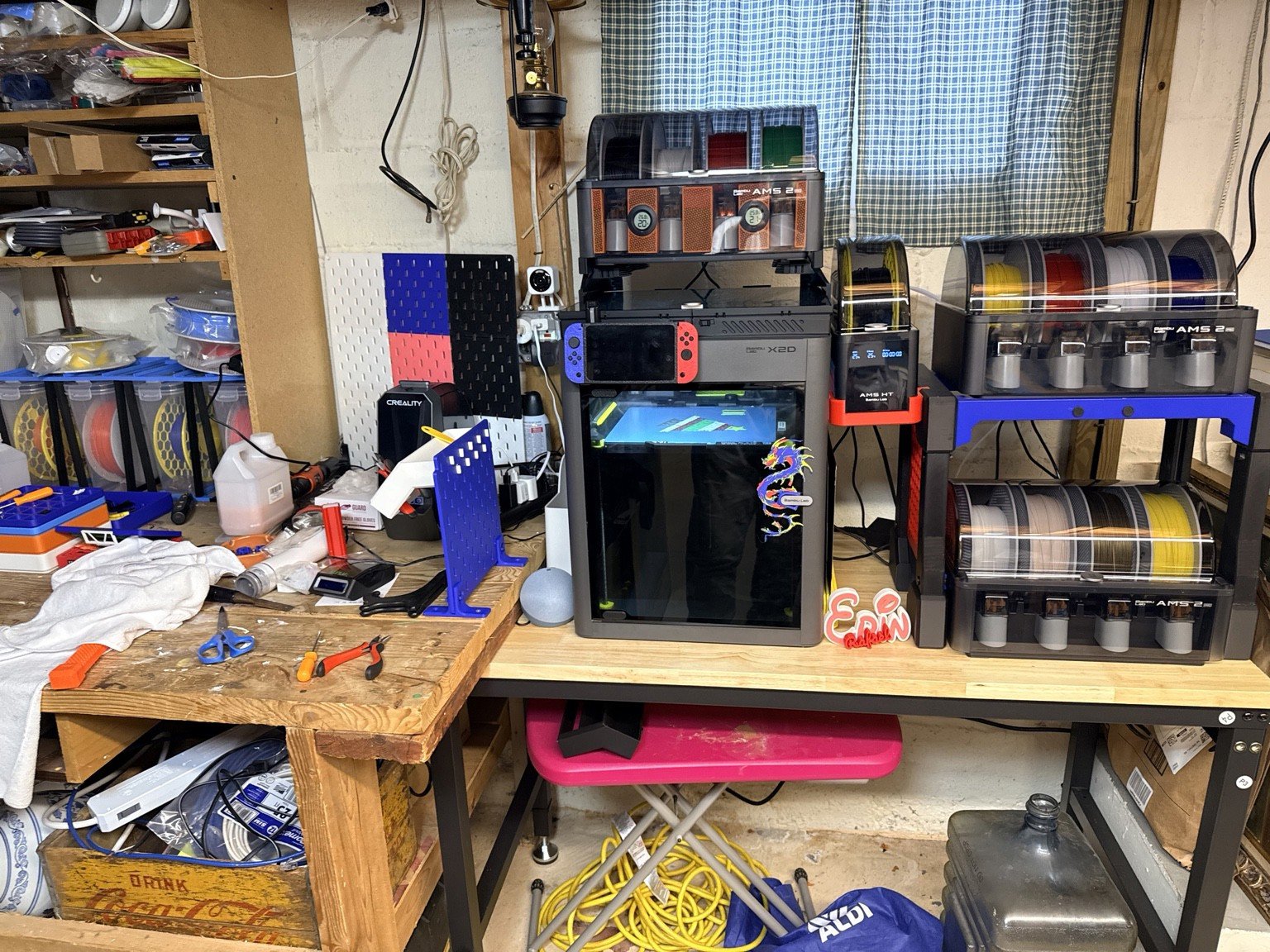
3D Printing and Amateur Radio: From an Idea to a Useful Shack Accessory
Read more: 3D Printing and Amateur Radio: From an Idea to a Useful Shack AccessoryHow 3D printing works, where it fits into amateur radio, and what to consider when making radio stands, portable accessories, and custom shack parts.
-

Coin #41: Proud to Serve with the AA7HW VE Team
Read more: Coin #41: Proud to Serve with the AA7HW VE TeamProud to receive coin #41 from the AA7HW VE Team and serve as an Amateur Extra Volunteer Examiner. Learn about this online exam service and contact Herb Weiner, AA7HW.
-
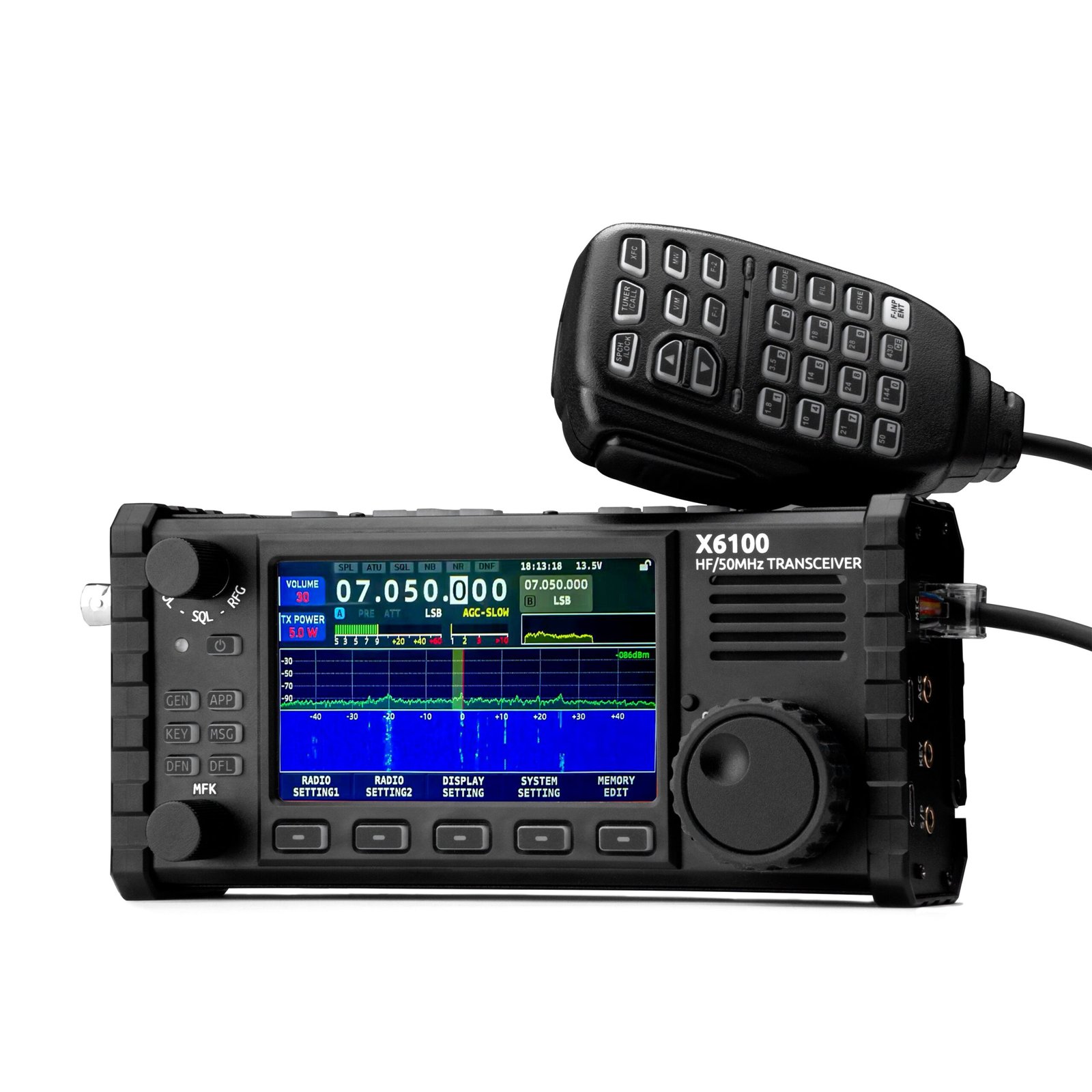
Xiegu X6100: A Feature-Packed Portable HF & 6-Meter SDR for POTA and QRP
Read more: Xiegu X6100: A Feature-Packed Portable HF & 6-Meter SDR for POTA and QRPThe portable Xiegu X6100 packs HF and 6-meter SDR operation, a built-in battery, automatic antenna tuner, waterfall display, and much more. See why it shines for POTA and QRP—and find the Radioddity MASONICHAM coupon.
-
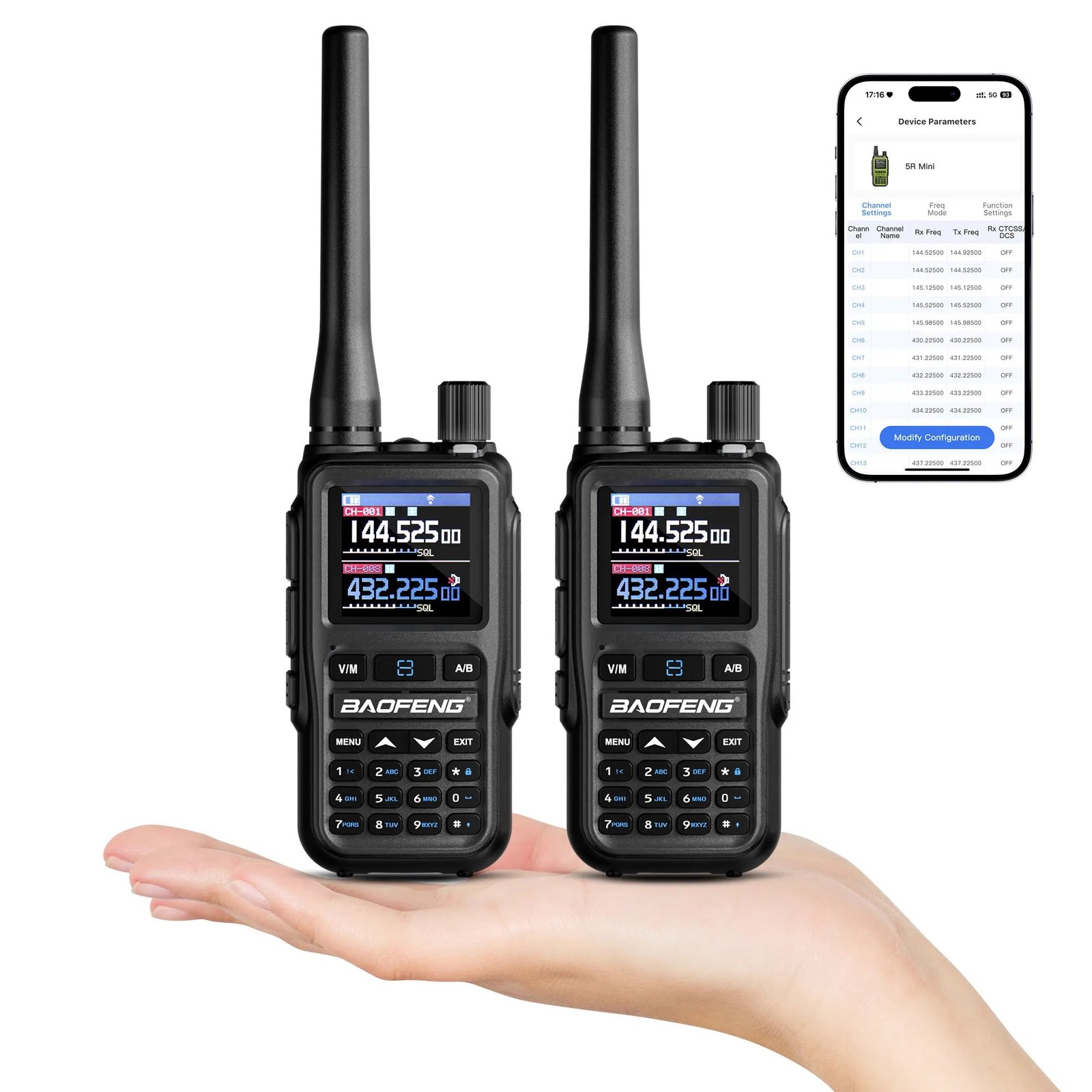
Small Radio, Big Surprise: My Baofeng UV-5R Mini Reaches W2NJR from an Atlantic City Hotel
Read more: Small Radio, Big Surprise: My Baofeng UV-5R Mini Reaches W2NJR from an Atlantic City HotelFrom inside an Atlantic City hotel, my compact Baofeng UV-5R Mini reached the W2NJR linked repeater system. Here is what that real-world test taught me.
-
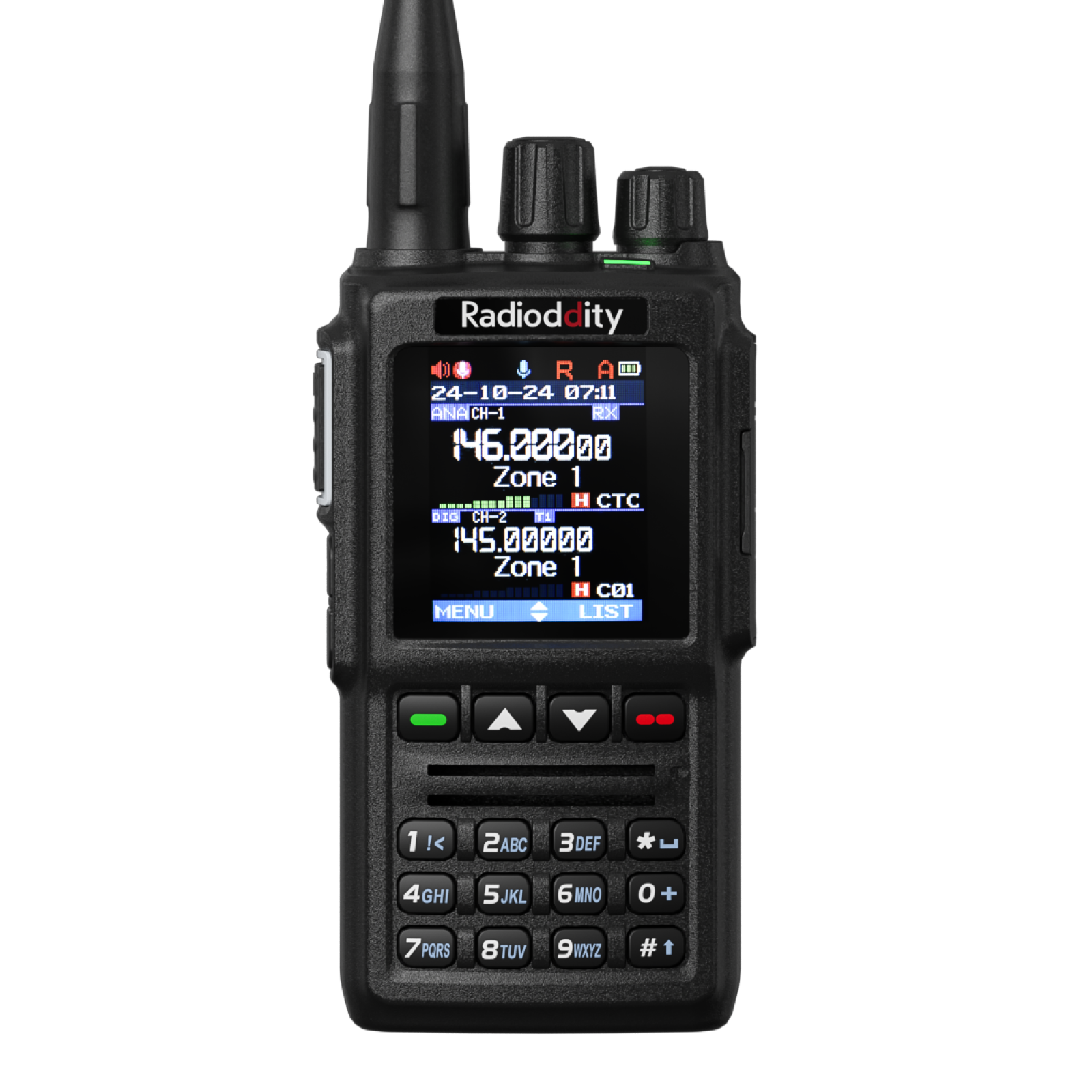
Programming Ham Radios: Methods, Brands, Software, and Common Difficulties
Read more: Programming Ham Radios: Methods, Brands, Software, and Common DifficultiesFrom keypad entry and USB software to Bluetooth apps, SD cards, and digital codeplugs: a practical guide to programming ham radios and solving common problems.
-
Amateur Radio Satellites in 2026: New PocketQubes, Repeaters, and How to Get Started
Read more: Amateur Radio Satellites in 2026: New PocketQubes, Repeaters, and How to Get StartedStart operating amateur radio LEO satellites with a dual-band HT and Yagi antenna. Master pass tracking, FM CubeSats, and Doppler shift management today.
-
AetherSDR and Remote Ham Radio: Is This the Future of the Software-Defined Shack?
Read more: AetherSDR and Remote Ham Radio: Is This the Future of the Software-Defined Shack?Discover how AetherSDR transforms remote radio shacks. Cut bandwidth to 0.5-3 Mbps, route digital modes like FT8, and achieve low latency. Build your station!
-
Emergency Communications After Hurricane Isaias: What Amateur Radio Operators Can Learn
Read more: Emergency Communications After Hurricane Isaias: What Amateur Radio Operators Can LearnLearn 3 critical ham radio lessons from Hurricane Isaias to harden your emergency comms. Master digital modes, off-grid power, and simplex tactics today.
-
Solar Cycle 25 in Late 2026: Which HF Bands Are Best for DX Right Now?
Read more: Solar Cycle 25 in Late 2026: Which HF Bands Are Best for DX Right Now?Maximize your HF contacts in late 2026 as Solar Cycle 25 declines. Discover top daytime (20m) & nighttime (40m) band strategies for reliable DXing success.
-

5,000 QSOs Logged — and Beta Testing QSO One on iOS
Read more: 5,000 QSOs Logged — and Beta Testing QSO One on iOSA new amateur radio milestone: 5,000 QSOs logged in QRZ, plus a look at my current beta testing of QSO One for iOS.
-
Why FT8 Is Still So Popular in 2026 — and Why Some Hams Still Hate It
Read more: Why FT8 Is Still So Popular in 2026 — and Why Some Hams Still Hate ItDiscover why FT8 dominates ham radio in 2026. Extract signals -24 dB below the noise floor, master 50 Hz tech, and weigh the fierce automation debate.
-
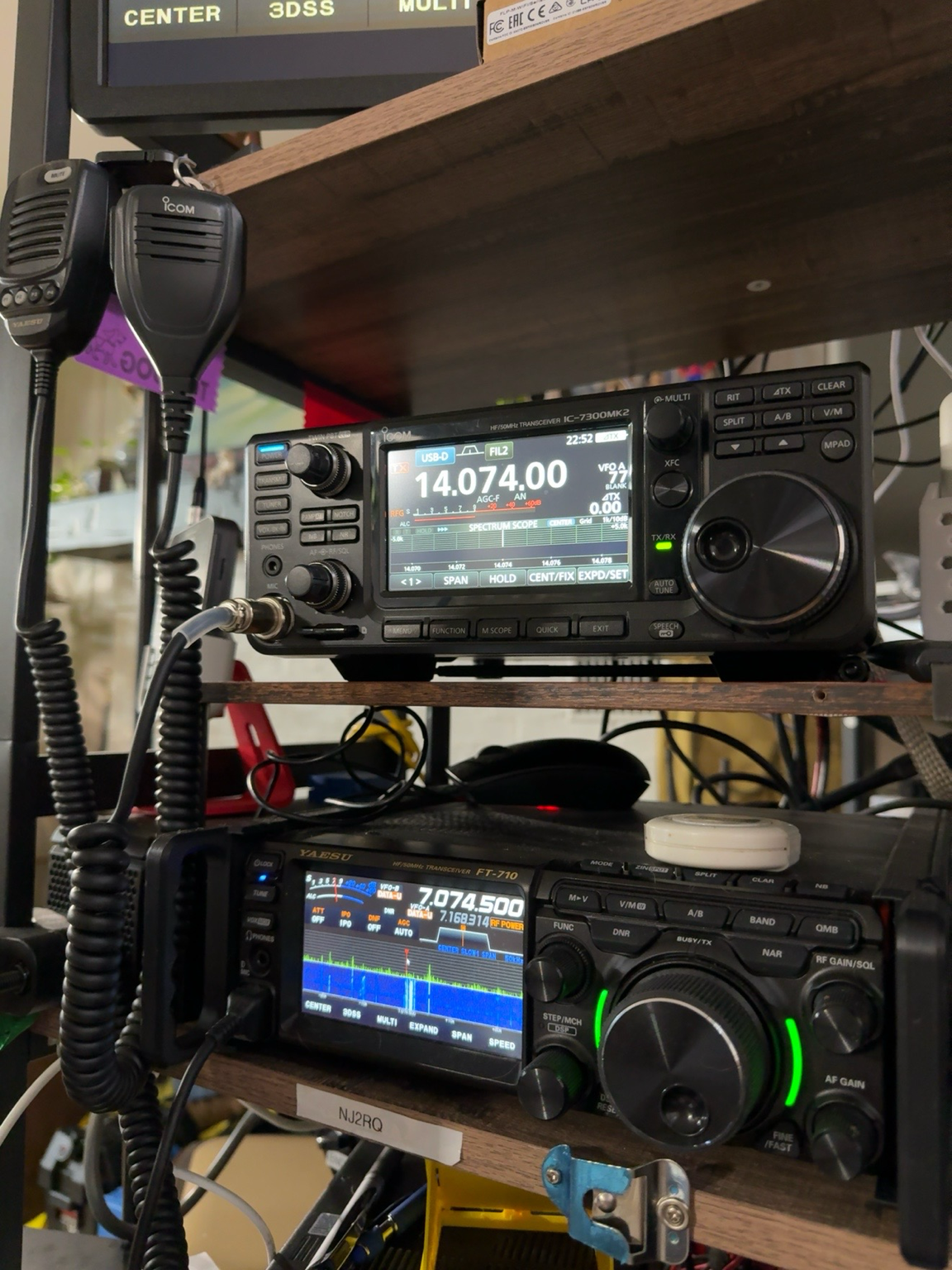
Why FT8 Is Still So Popular in 2026 — Weak Signals, Small Stations, Big Results
Read more: Why FT8 Is Still So Popular in 2026 — Weak Signals, Small Stations, Big ResultsFT8 is still one of amateur radio’s busiest digital modes in 2026. Here’s why its weak-signal performance, simple workflow, worldwide activity, and modest station requirements keep operators coming back.
-
POTA in 2026: The Best Bands, Modes, and Grab-and-Go Field Setup Right Now
Read more: POTA in 2026: The Best Bands, Modes, and Grab-and-Go Field Setup Right NowGet your 10 POTA contacts fast! Learn the best HF bands, grab-and-go rigs, LiFePO4 power, and top SSB, CW, and FT8 strategies for successful field setups.
-
FreeDV RADE Explained: Could This Really Be the Next SSB?
Read more: FreeDV RADE Explained: Could This Really Be the Next SSB?Discover how FreeDV RADE lets a 10W digital voice signal outperform 100W SSB. Learn how neural network processing decodes clear HF voice deep inside noise.
-
AI in Amateur Radio: Useful Shack Tool or Too Much Automation?
Read more: AI in Amateur Radio: Useful Shack Tool or Too Much Automation?Cut RF noise with AI! Learn how neural networks clean weak audio, optimize antennas, and predict HF propagation to boost your amateur radio performance today.
-
eBay’s New Radio Equipment Rules: What Ham Operators and Sellers Need to Know
Read more: eBay’s New Radio Equipment Rules: What Ham Operators and Sellers Need to KnowAvoid account suspensions on eBay! Learn how updated FCC compliance rules affect your ham radio listings, from VHF/UHF transceivers to linear RF amplifiers.
-
CQ World Wide SSB 2026: A Beginner’s Guide to Making DX Contacts This Weekend
Read more: CQ World Wide SSB 2026: A Beginner’s Guide to Making DX Contacts This WeekendWork rare DX in the CQ WW SSB Contest with just 100W! Master Search & Pounce, timing, and efficient exchanges to quickly fill your logbook this weekend.
-
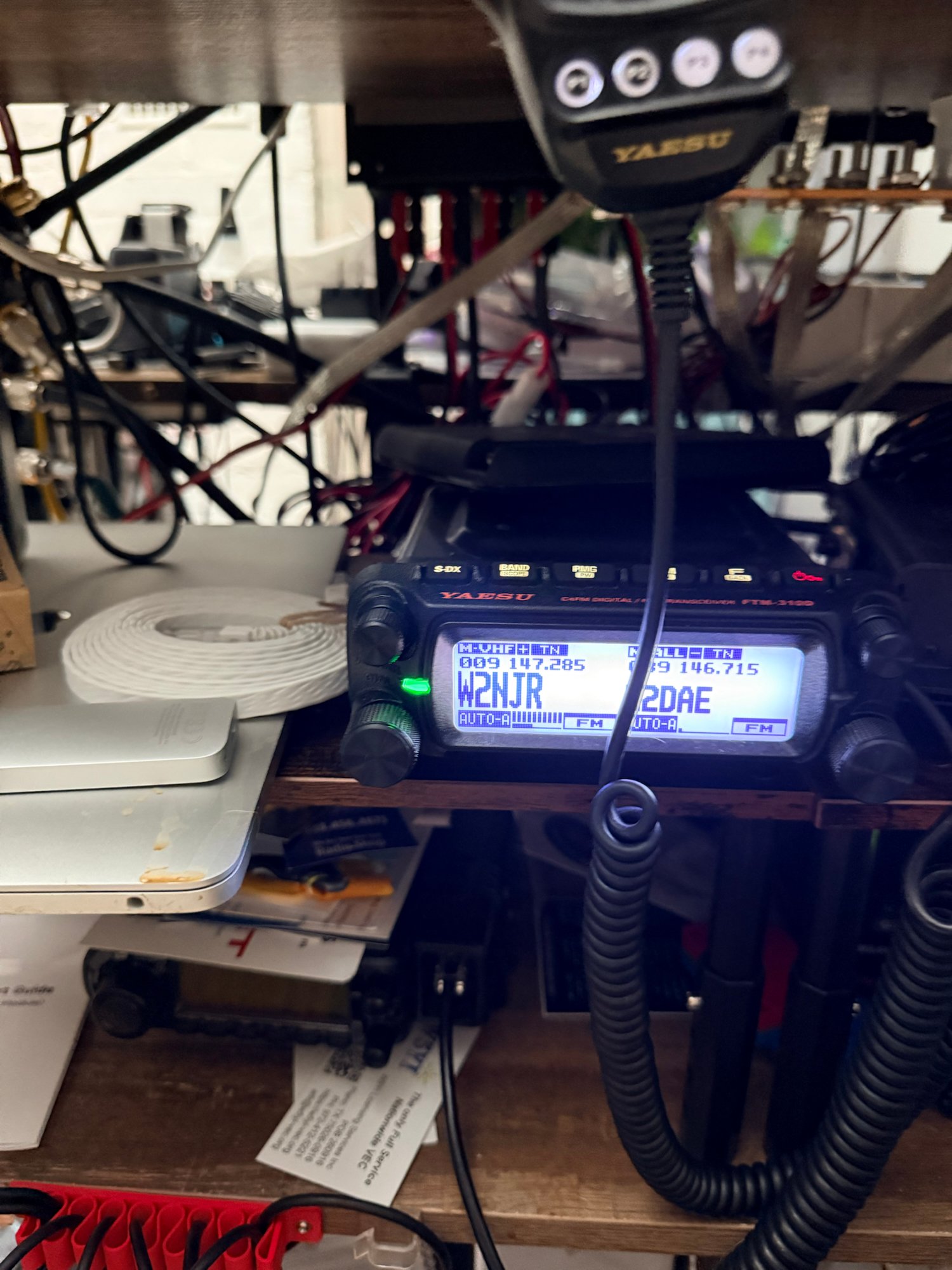
How to Program a 2-Meter Repeater: Frequency, Offset, Tone, and Memory Channel
Read more: How to Program a 2-Meter Repeater: Frequency, Offset, Tone, and Memory ChannelProgramming a local 2-meter repeater gets easy once you understand four things: receive frequency, offset, access tone, and memory storage. Here’s a practical step-by-step guide for getting on the air.
-
Chameleon CHA PRV 2.0 — A Portable Antenna System I Highly Recommend
Read more: Chameleon CHA PRV 2.0 — A Portable Antenna System I Highly RecommendThe Chameleon CHA PRV 2.0 is a rugged, tunable portable antenna system for 40–6 meters that stands out for POTA, field operations, travel, and emergency communications.
-
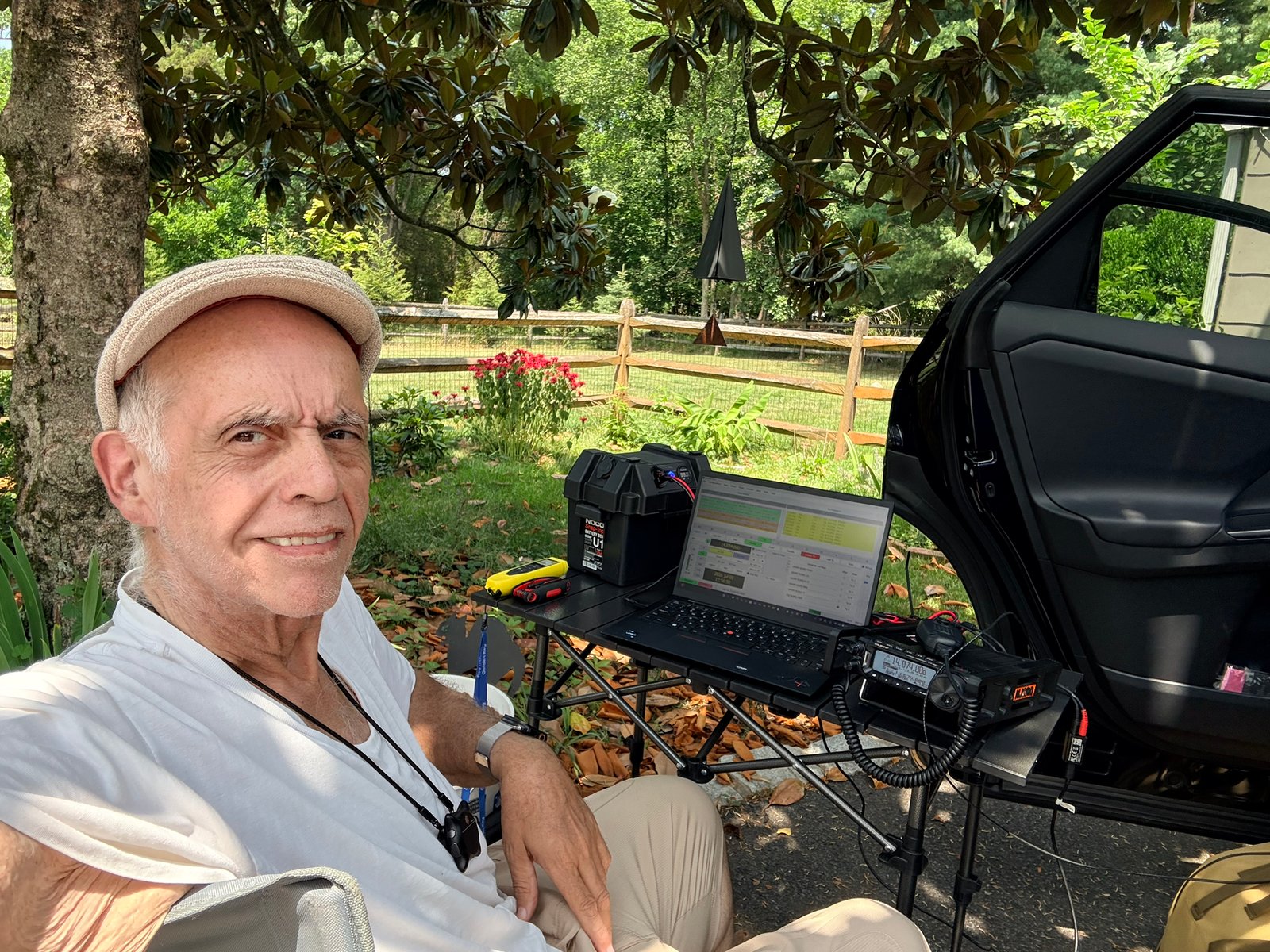
Why a Used Yaesu FT-817 Still Makes Sense in 2026
Read more: Why a Used Yaesu FT-817 Still Makes Sense in 2026The Yaesu FT-817 is old-school, low-power and missing modern conveniences—but its HF/VHF/UHF all-mode coverage and truly portable design still make it a very useful little radio.
-
Buying a Used Ham Radio at a Hamfest or Estate Sale: What to Check Before You Pay
Read more: Buying a Used Ham Radio at a Hamfest or Estate Sale: What to Check Before You PayA practical checklist for evaluating used amateur-radio gear before you hand over the money—from missing cables and power-up risks to receiver, transmitter, controls, and hidden repair costs.
-
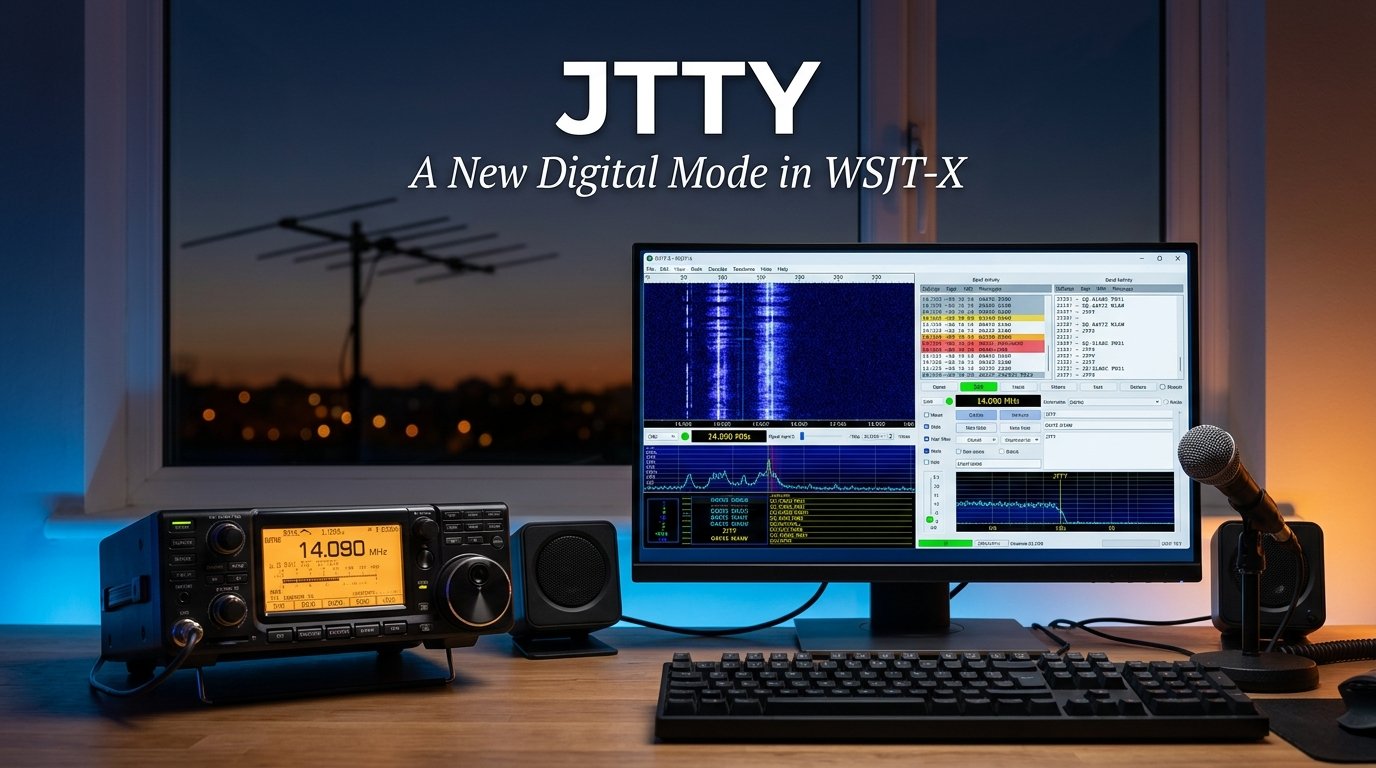
JTTY Is Here: The New WSJT-X Digital Mode Ham Radio Operators Should Watch
Read more: JTTY Is Here: The New WSJT-X Digital Mode Ham Radio Operators Should WatchJTTY is a brand-new WSJT-X digital mode that combines RTTY-style keyboard operation with modern weak-signal performance. Here’s what it is, how it works, and where to try it.
-
Emergency Prep and Go Bags for Ham Radio Operators: What to Pack Before You Need It
Read more: Emergency Prep and Go Bags for Ham Radio Operators: What to Pack Before You Need ItA practical emergency go-bag guide for amateur radio operators, covering core disaster supplies, communications gear, power, antennas, documents, medications, and realistic kit sizes.
-
Winlink Made Easy: Installation, Configuration and Your First Message
Read more: Winlink Made Easy: Installation, Configuration and Your First MessageA beginner-friendly Winlink guide covering Winlink Express, Telnet testing, VARA FM, VARA HF, account setup, radio configuration, and your first message.
-
Would a Beverage Antenna Improve My 160/80 Meter Reception?
Read more: Would a Beverage Antenna Improve My 160/80 Meter Reception?A Beverage antenna will not make your transmitted signal stronger, but on 160 and 80 meters it can dramatically improve what you hear by reducing noise and favoring signals from one direction.
-
P25 for Amateur Radio: What It Is and an Easy Step-by-Step Setup
Read more: P25 for Amateur Radio: What It Is and an Easy Step-by-Step SetupA practical guide to P25 Phase 1 amateur radio, including NAC $293, correct talkgroup behavior, conventional programming, and MMDVM hotspot setup.
-
MMSSTV: An Easy Way to Get Started With Slow-Scan TV
Read more: MMSSTV: An Easy Way to Get Started With Slow-Scan TVMMSSTV is a classic Windows program for amateur-radio Slow Scan Television. Here is a beginner-friendly guide to receiving your first SSTV image and getting ready to transmit.
-
Yaesu System Fusion Made Easy: Step-by-Step Setup and First Contact
Read more: Yaesu System Fusion Made Easy: Step-by-Step Setup and First ContactA corrected beginner-friendly guide to Yaesu System Fusion, C4FM, DN/VW modes, DG-ID, WIRES-X, and the important difference between native WIRES-X and YSF/FCS hotspots.
-
M17 Explained: What It Is and an Easy Step-by-Step Setup
Read more: M17 Explained: What It Is and an Easy Step-by-Step SetupM17 is an open-source amateur-radio digital voice and data protocol using 4FSK and Codec2. This corrected beginner guide explains the RF basics, current hardware paths, reflectors, setup, and troubleshooting.
-
IAX Direct Made Easy: A Beginner’s Step-by-Step Setup Guide
Read more: IAX Direct Made Easy: A Beginner’s Step-by-Step Setup GuideA practical ASL3 guide to authenticated IAX2 client access and private node-to-node links: secure setup, correct dialplan options, testing, and limitations.
-
DMR Made Easy: A Beginner’s Step-by-Step Setup Guide
Read more: DMR Made Easy: A Beginner’s Step-by-Step Setup GuideMaster DMR setup with our step-by-step guide. Learn the 4 key pillars (TDMA, Color Codes, Talkgroups, and Zones) to connect globally with crystal-clear audio.
-
D-STAR Made Easy: Step-by-Step Setup and Your First Contact
Read more: D-STAR Made Easy: Step-by-Step Setup and Your First ContactGet started with D-STAR digital voice: choose a compatible radio, find a repeater, program your call sign, use DR mode, and make your first local or gateway contact.
-
10 Mistakes New POTA Operators Make on Their First Activation
Read more: 10 Mistakes New POTA Operators Make on Their First ActivationPlanning your first Parks on the Air activation? Avoid these 10 common mistakes involving UTC logs, equipment tests, spotting, park boundaries, battery power, antennas and safety.
-
IC-7300MK2 for FT8: USB-C and Dual COM Ports
Read more: IC-7300MK2 for FT8: USB-C and Dual COM PortsSetting Up the Icom IC-7300MK2 for FT8: USB-C and Dual COM Ports The IC-7300MK2 adds a USB Type-C port with two virtual COM ports plus USB audio input and output. Icom specifically describes this arrangement as supporting simultaneous applications such as FT8, logging, and contest software over one USB cable. That makes the radio well…
-
Portable Power for Ham Radio: How Many Amp-Hours Do You Really Need?
Read more: Portable Power for Ham Radio: How Many Amp-Hours Do You Really Need?Portable power made practical: calculate battery amp-hours for QRP, a 100 W FT-891, and FT8, with real current figures, LiFePO4 safety tips, and useful field examples.
-
QSO One in Depth: Six Networks, Smart Net Control, and a New Way to Get on the Air
Read more: QSO One in Depth: Six Networks, Smart Net Control, and a New Way to Get on the AirAn in-depth guide to QSO One: AllStarLink, EchoLink, IAX Direct, DMR, YSF and M17, plus Net Runner, Net Finder, logging, audio tools and what it means for ham radio.
-
From Mountain-Top Repeaters to Apps in Your Pocket: How Amateur Radio Learned to Link the World
Read more: From Mountain-Top Repeaters to Apps in Your Pocket: How Amateur Radio Learned to Link the WorldA historical journey from early FM repeaters and linked systems to EchoLink, D-STAR, DMR, C4FM, NXDN, AllStarLink, PoC, Zello, RepeaterPhone and QSO One—and where connected amateur radio goes next.
-
IC-7300MK2 for FT8: USB-C, Dual COM Ports, and a Cleaner Digital Setup
Read more: IC-7300MK2 for FT8: USB-C, Dual COM Ports, and a Cleaner Digital SetupThe Icom IC-7300MK2 can carry CAT control, dual virtual COM ports, and digital audio over one USB-C cable. Here’s what that means for a practical FT8 setup.
-
Why Multiple Radios at Field Day Interfere With Each Other — and How Band-Pass Filters Help
Read more: Why Multiple Radios at Field Day Interfere With Each Other — and How Band-Pass Filters HelpStop Field Day radio interference! Learn the 3 causes of receiver overload and how to deploy band-pass filters to keep your multi-transmitter station clear.
-
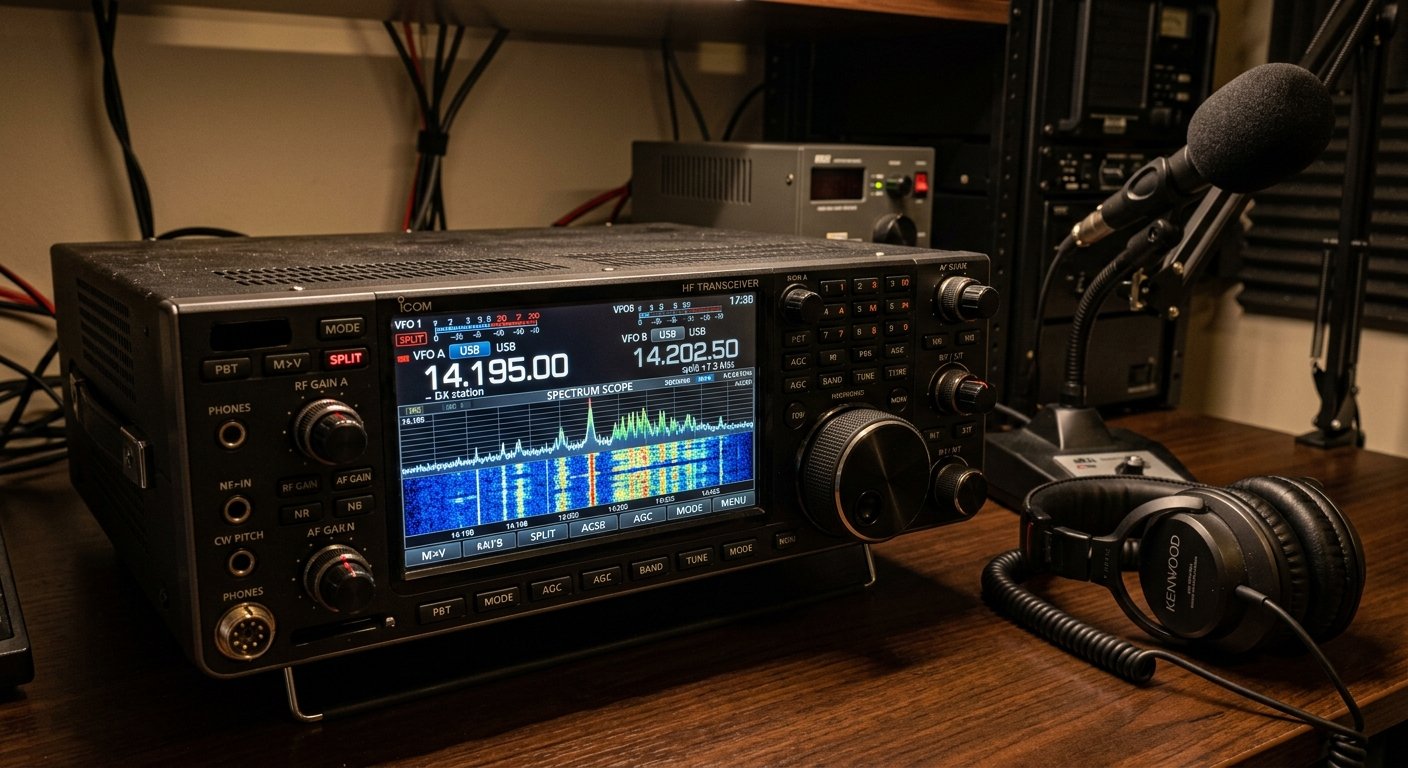
How to Work DX Split Without Becoming That Guy
Read more: How to Work DX Split Without Becoming That GuySplit operation lets a DX station spread out a pileup. Here’s how to set your VFOs, find the listening pattern, stay legal, and avoid becoming part of the QRM.
-
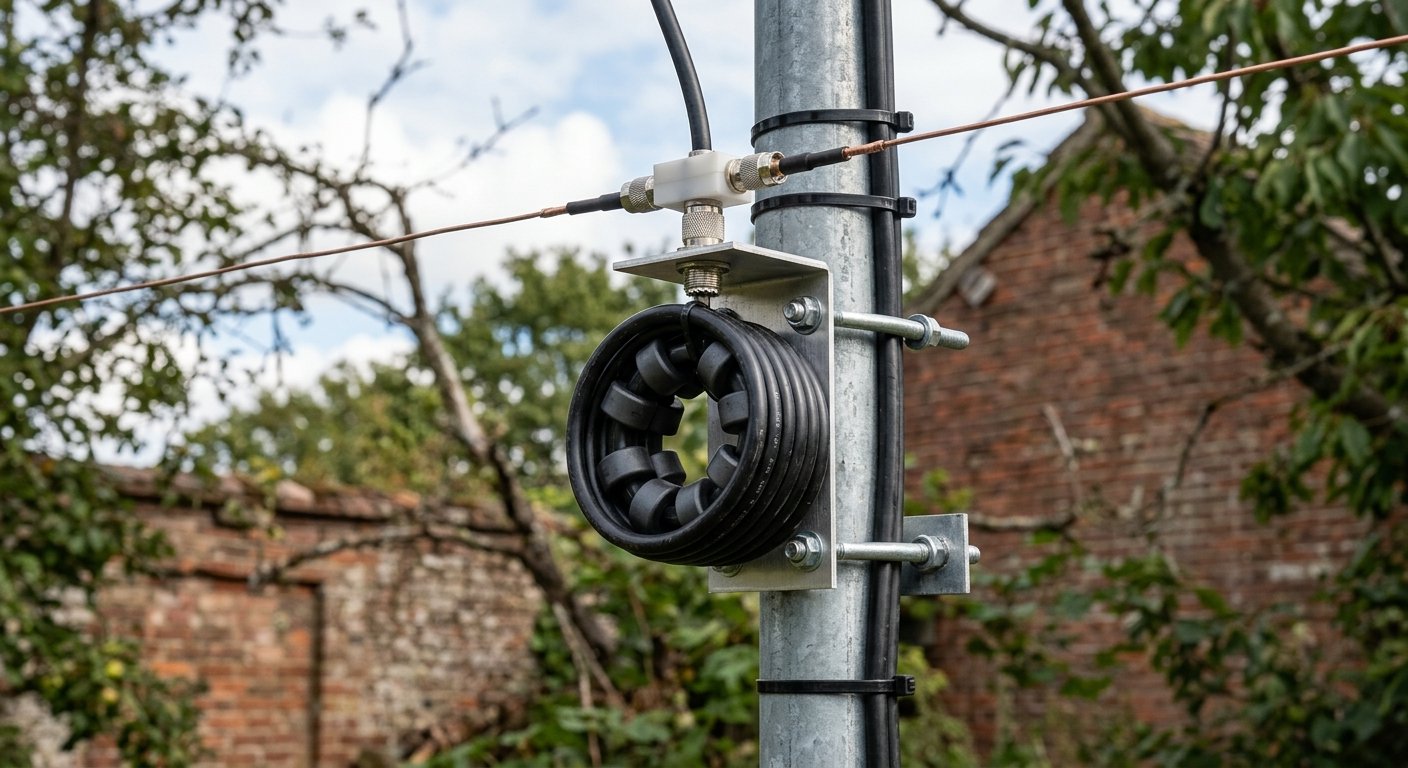
Common-Mode Current Explained: Why Ferrite Chokes Matter
Read more: Common-Mode Current Explained: Why Ferrite Chokes MatterCommon-mode current can turn the outside of your coax into part of the antenna system. Here’s how ferrite chokes help keep unwanted RF off the feed line.
-
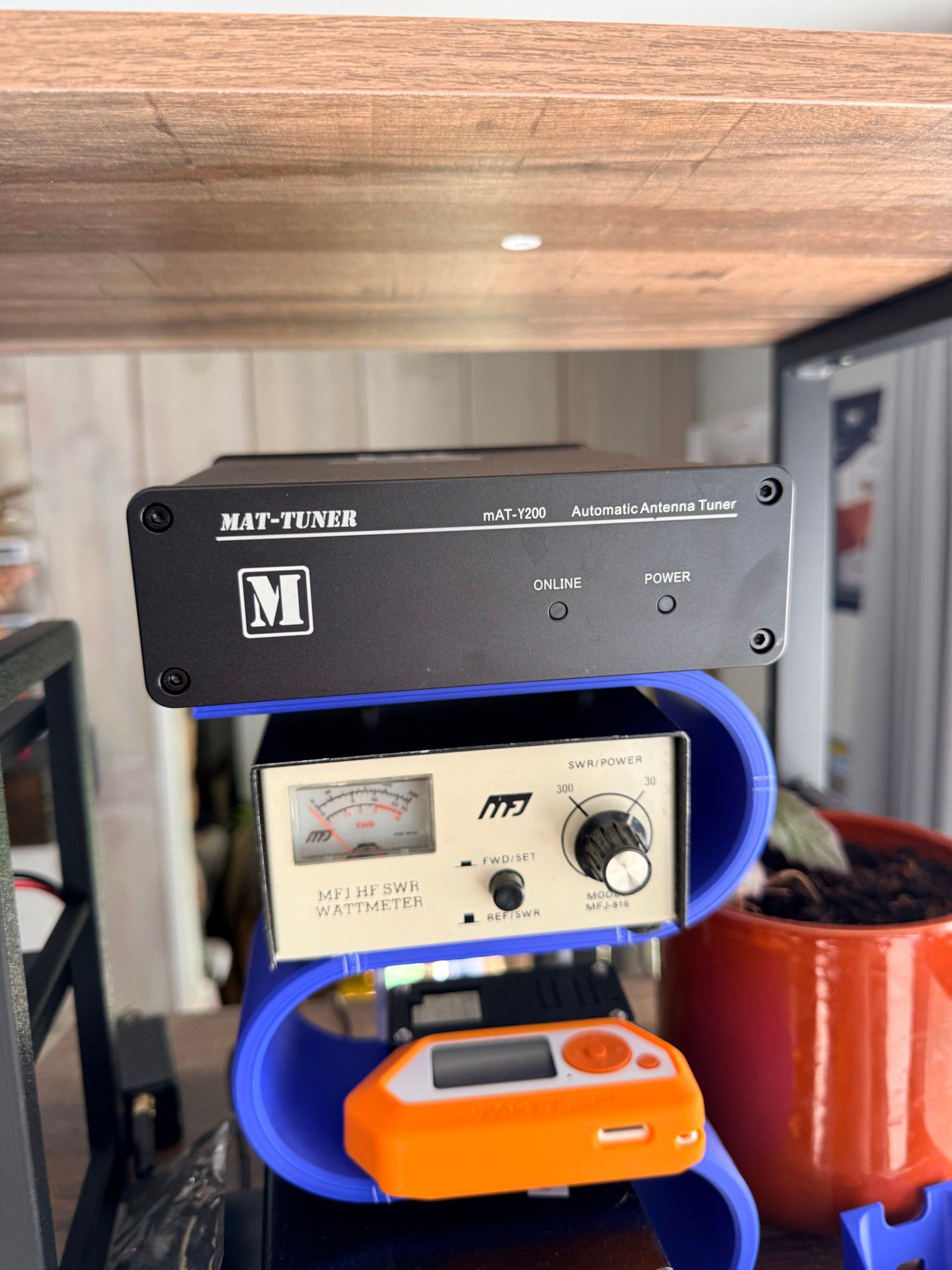
What an Antenna Tuner Really Does — and What It Doesn’t Do
Read more: What an Antenna Tuner Really Does — and What It Doesn’t DoAn antenna tuner can make your radio see a safe 50-ohm load, but it does not physically retune the antenna or erase feed-line loss. Here’s what it really does — and why tuner placement matters.
-
DMR vs D-STAR vs System Fusion: What Each Network Actually Does
Read more: DMR vs D-STAR vs System Fusion: What Each Network Actually DoesUnsure which digital voice system fits you best? Compare DMR, D-STAR, and System Fusion by air interface, station identity, networking style, and setup approach.
-
FTX-1 Field vs FT-891: Which One Would I Actually Take Into the Field?
Read more: FTX-1 Field vs FT-891: Which One Would I Actually Take Into the Field?Which is best for SOTA & POTA? Compare the 100 W Yaesu FT-891 with the FTX-1 Field, which runs up to 6 W on its supplied battery or 10 W from 13.8 V external power, plus a modern touchscreen and SDR-style spectrum display.
-
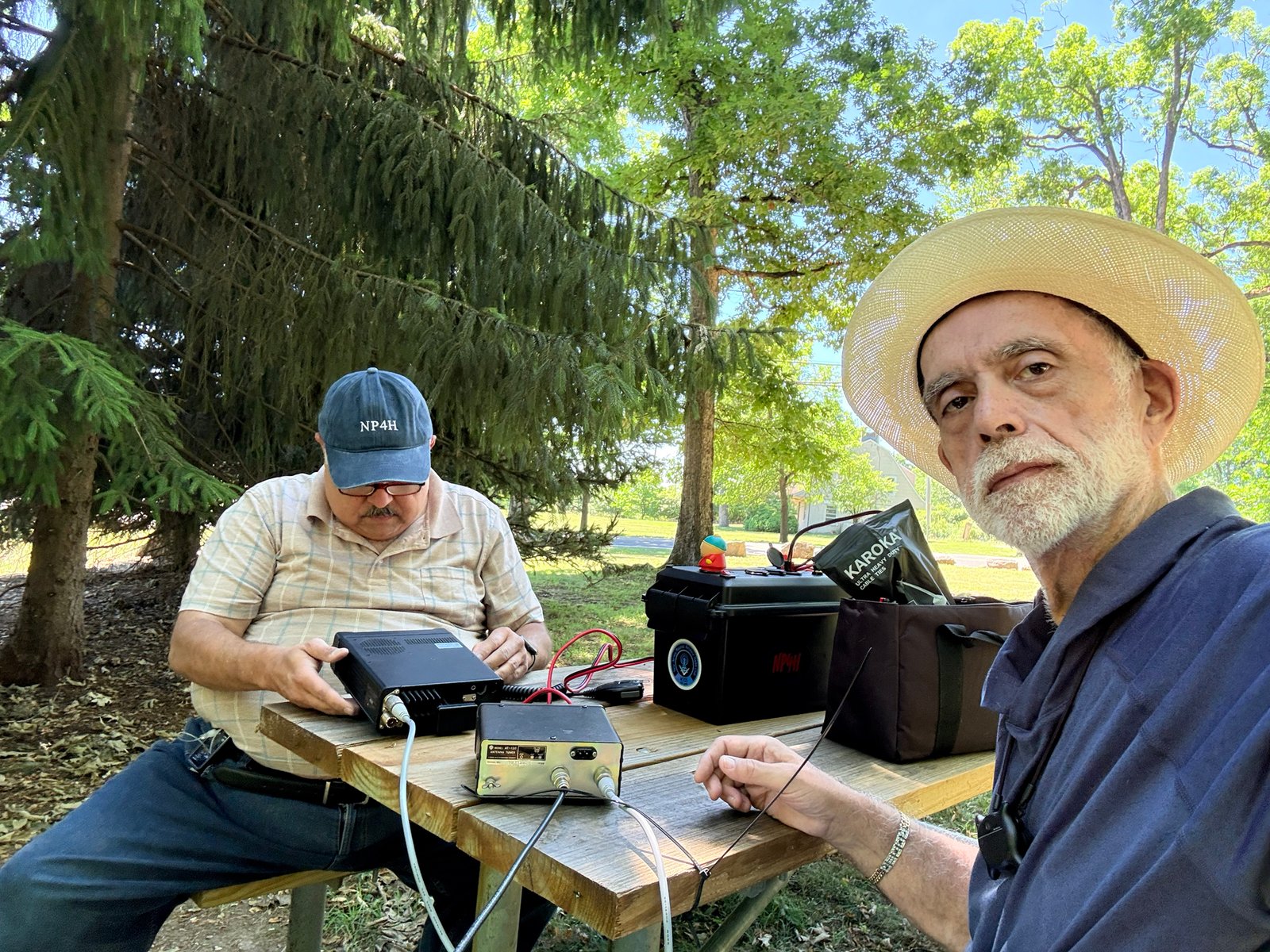
End-Fed, Vertical or Hamstick? Choosing the Right Portable HF Antenna
Read more: End-Fed, Vertical or Hamstick? Choosing the Right Portable HF AntennaEnd-fed half-wave, portable vertical or Hamstick? Compare the real tradeoffs in multiband coverage, radials, efficiency, setup time and operating location.
- From First Question to Renewal: The Complete Guide to W5YI
- Your Antenna Isn’t Noisy — Your Feedline Is: The 5-Minute Coax Test Every Ham Should Know
- The Radio of the Future: AI in the Shack, and How Soon Icom and Yaesu Ship One
- I Own Ten HF Radios. Here’s What Each One Is Actually For — and the One I’d Keep
- Your First D-STAR Contact with an Icom, Kenwood TH-D74A, or SharkRF M1KE
- 3D Printing and Amateur Radio: From an Idea to a Useful Shack Accessory
- Coin #41: Proud to Serve with the AA7HW VE Team
- Xiegu X6100: A Feature-Packed Portable HF & 6-Meter SDR for POTA and QRP
- Small Radio, Big Surprise: My Baofeng UV-5R Mini Reaches W2NJR from an Atlantic City Hotel
- Programming Ham Radios: Methods, Brands, Software, and Common Difficulties
- Amateur Radio Satellites in 2026: New PocketQubes, Repeaters, and How to Get Started
- AetherSDR and Remote Ham Radio: Is This the Future of the Software-Defined Shack?
- Emergency Communications After Hurricane Isaias: What Amateur Radio Operators Can Learn
- Solar Cycle 25 in Late 2026: Which HF Bands Are Best for DX Right Now?
- 5,000 QSOs Logged — and Beta Testing QSO One on iOS