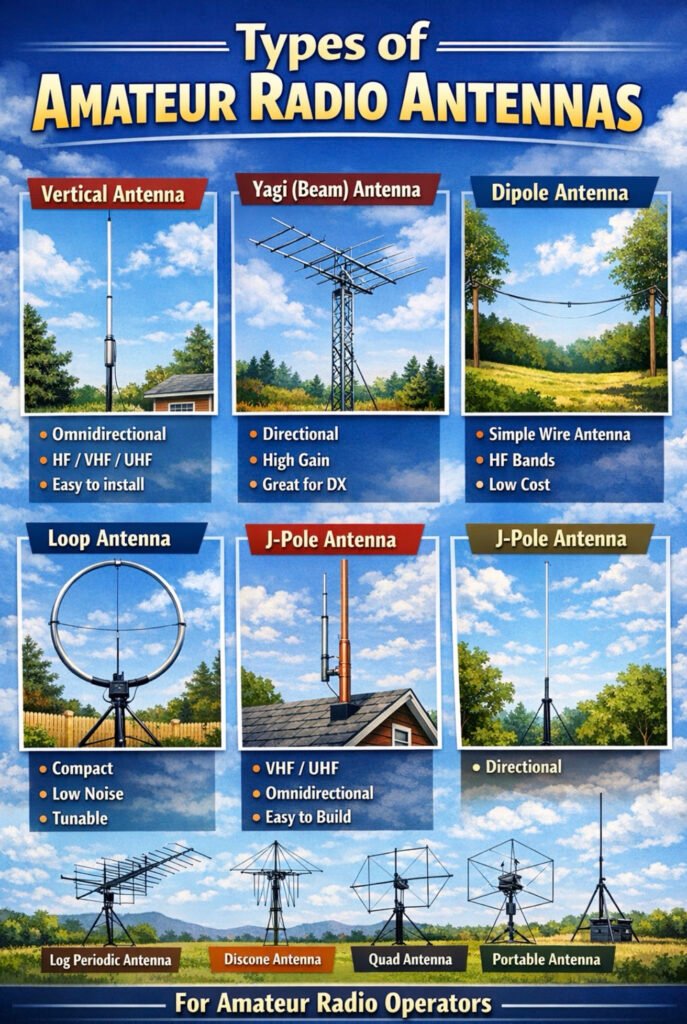
Here are some of the most common amateur (ham) radio antenna types you’ll encounter. Since you already have a pretty advanced antenna setup at your house (flagpole mast with HF and VHF/UHF antennas), this will help visualize the broader landscape of antenna designs.
Vertical Antenna
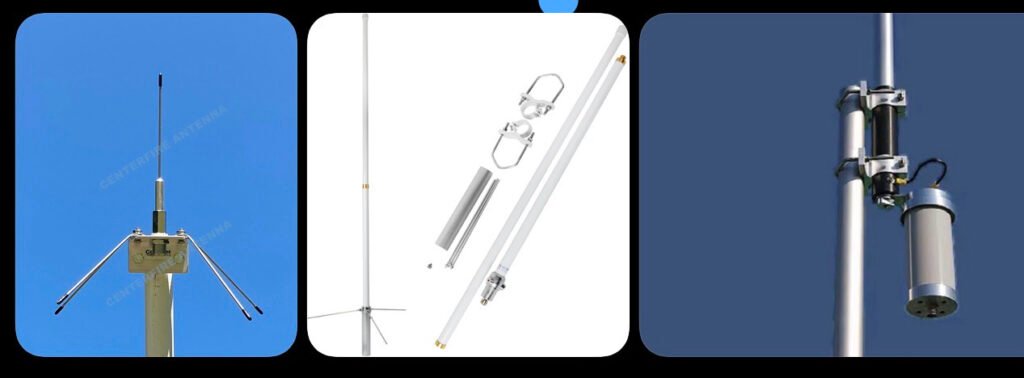
Description
Mounted vertically and radiates equally in all directions (omnidirectional). Common for HF, VHF, and UHF base stations. Often fiberglass with internal wire elements.
Pros
Simple installation Good for general coverage Small footprint
Cons
Typically lower gain than directional antennas.
Yagi (Beam) Antenna
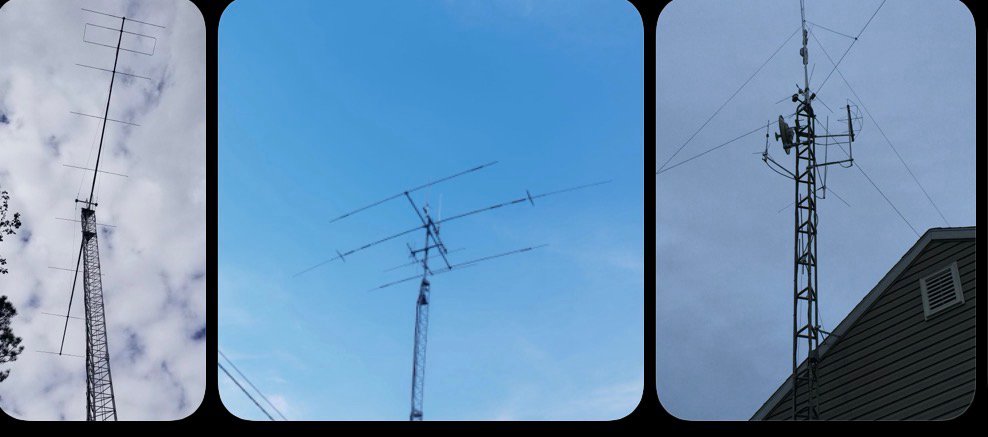
Description
Directional antenna with multiple elements. Focuses signal in one direction for long-distance communication.
Pros
High gain Excellent for DX contacts Reduces interference from other directions
Cons
Large and requires a rotor More expensive and complex.
Dipole Antenna
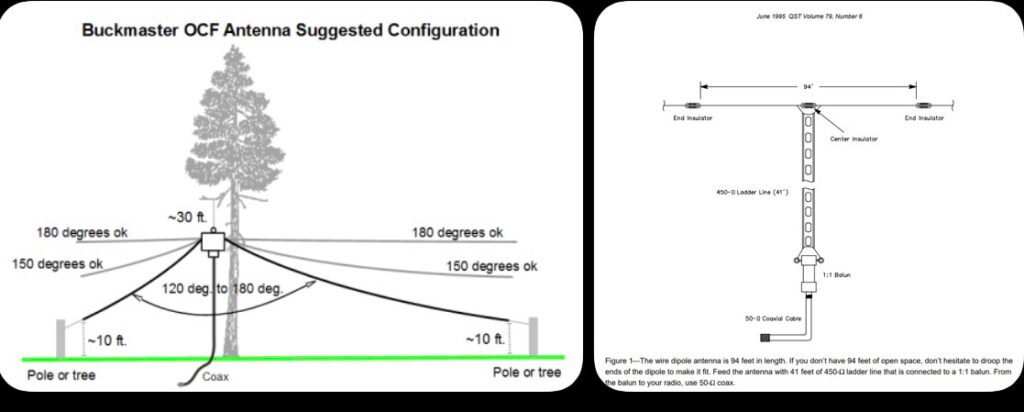
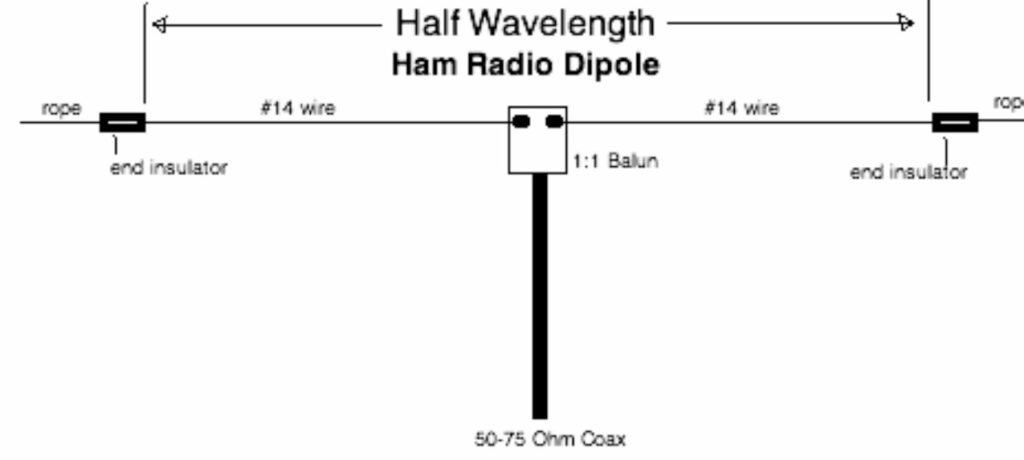
Description
One of the simplest and most effective HF antennas. Two wire elements fed from the center.
Pros
Cheap and easy to build Very efficient Great for HF bands
Cons
Requires space between two supports.
Loop Antenna
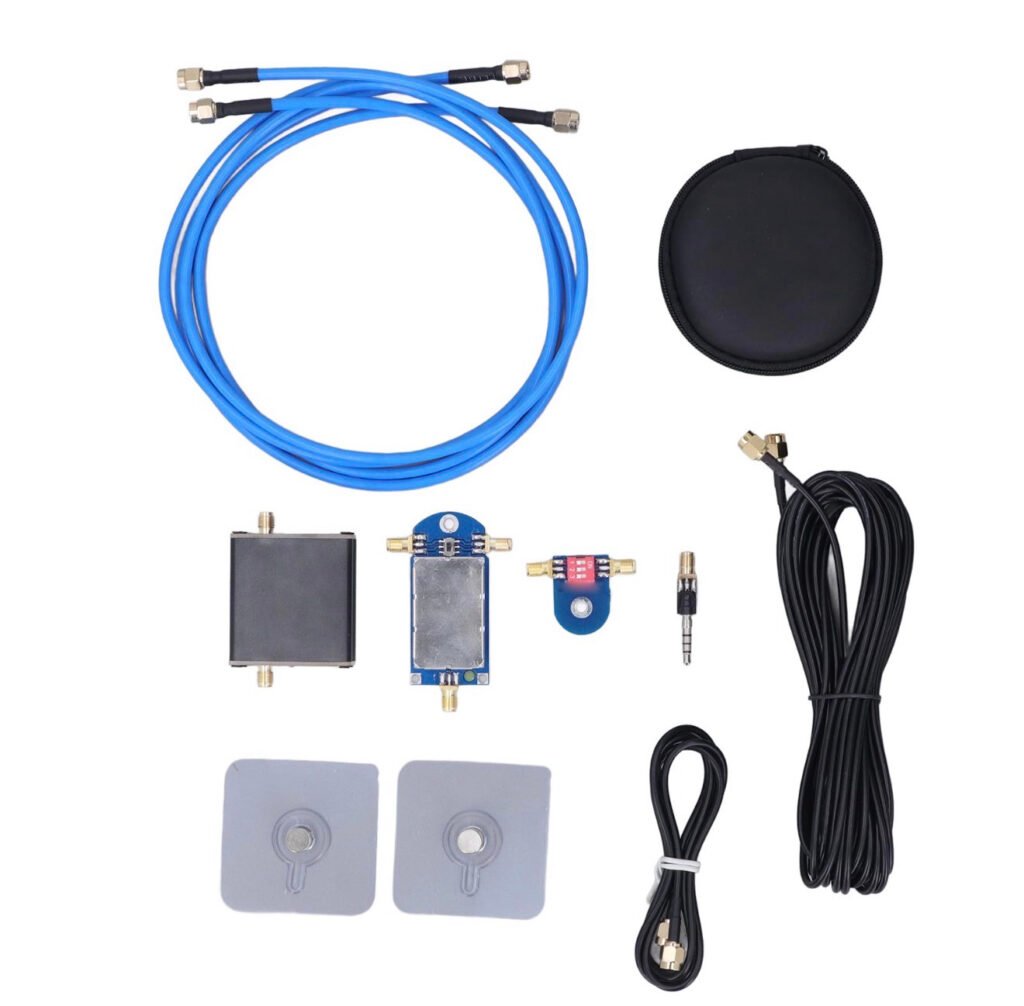
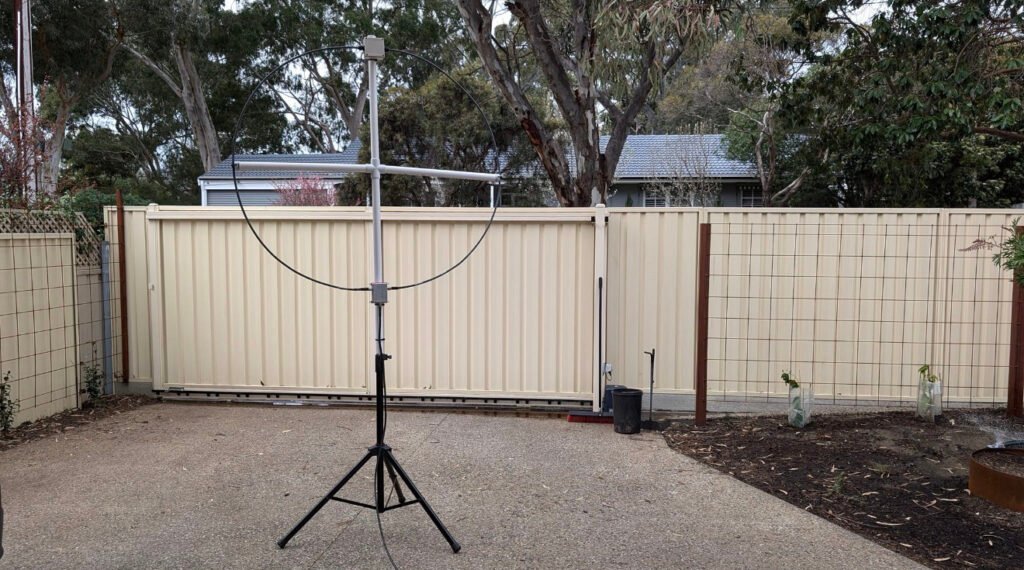
Description
Circular or square loop used for HF operation. Often used in limited space environments.
Pros
Compact Very quiet receive characteristics Works well in apartments
Cons
Narrow bandwidth Requires tuning.
J-Pole Antenna
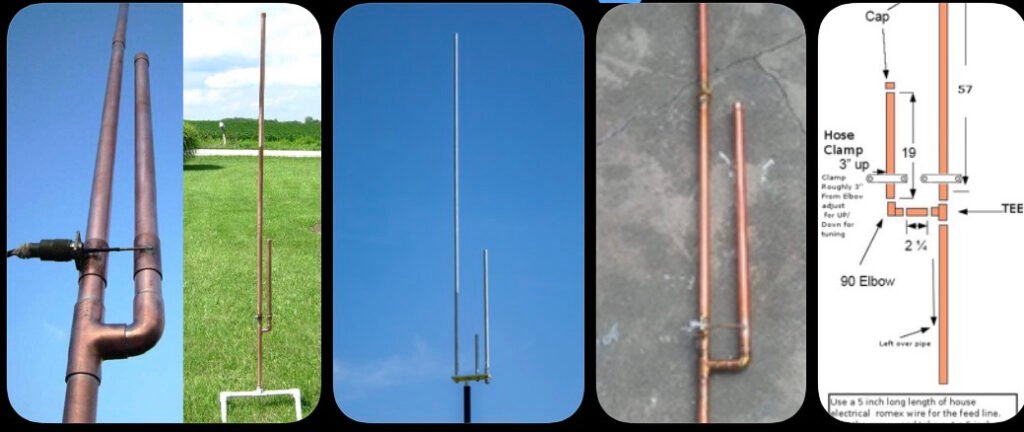
Description
Very common VHF/UHF antenna design. Essentially a half-wave radiator fed by a quarter-wave matching stub.
Pros
Simple design Omnidirectional Great for repeaters and local communication
Cons
Mostly limited to VHF/UHF bands.